Metrics · all games
Player retention (D1, D7, D30)
The share of new players who come back after a set number of days, usually reported as D1, D7 and D30 retention.
Also called: retention rate, d1 retention, d7 retention, d30 retention, day 1 retention, day 7 retention, day 30 retention
Retention measures how many players from the same install day are still playing later. Day 1 retention is the share who return the day after installing, day 7 the share who return on day 7, and day 30 the share who return on day 30. Each install date forms a cohort, and teams compare cohorts across versions, countries and games.
It is one of the most watched early health numbers for a game, because a game cannot grow if players leave before they see what it offers. Teams often read D1 as a rough guide to the first session, D7 to whether the core loop holds players, and D30 to whether the meta game gives them a reason to stay.
Definitions differ. Classic retention counts players active on exactly day N, while rolling retention counts players active on day N or later. Compare like with like, and be wary of benchmark figures quoted without a definition.
In mobile games
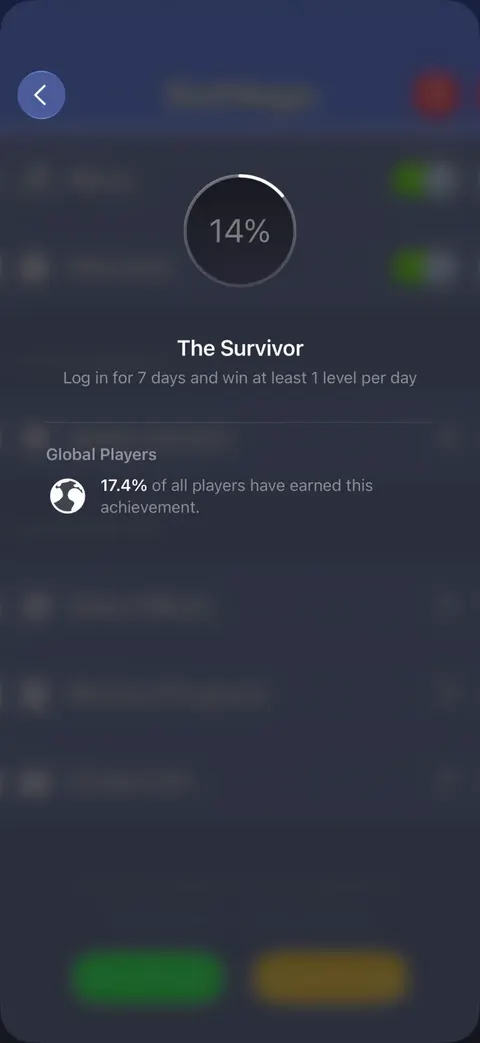
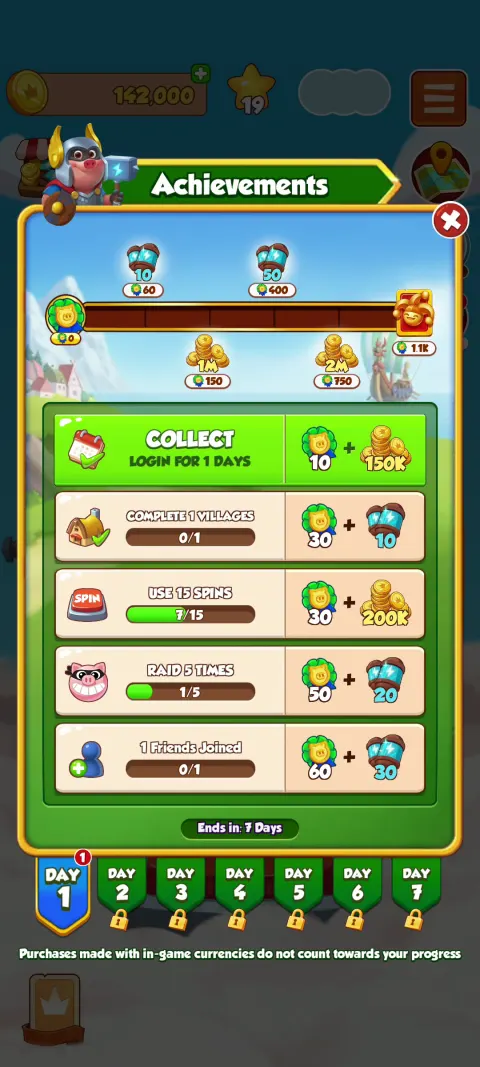
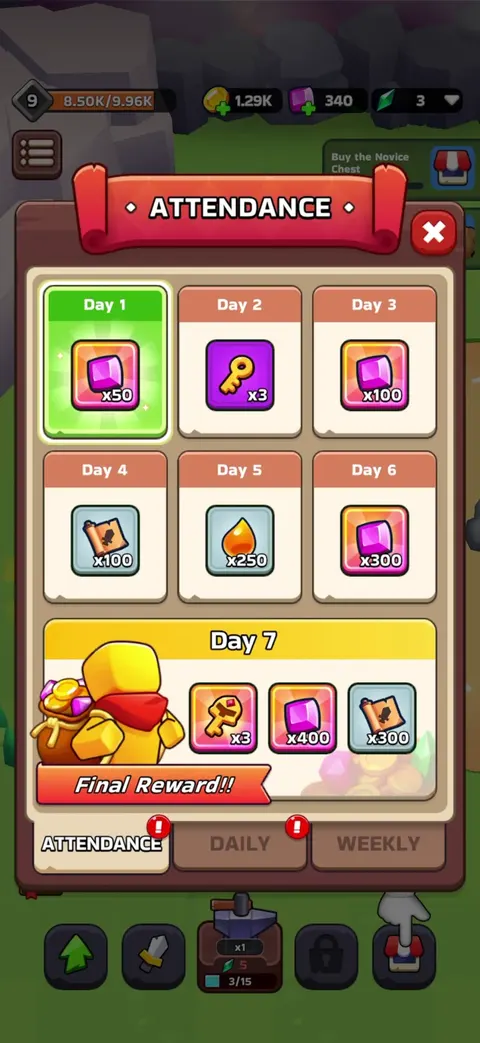
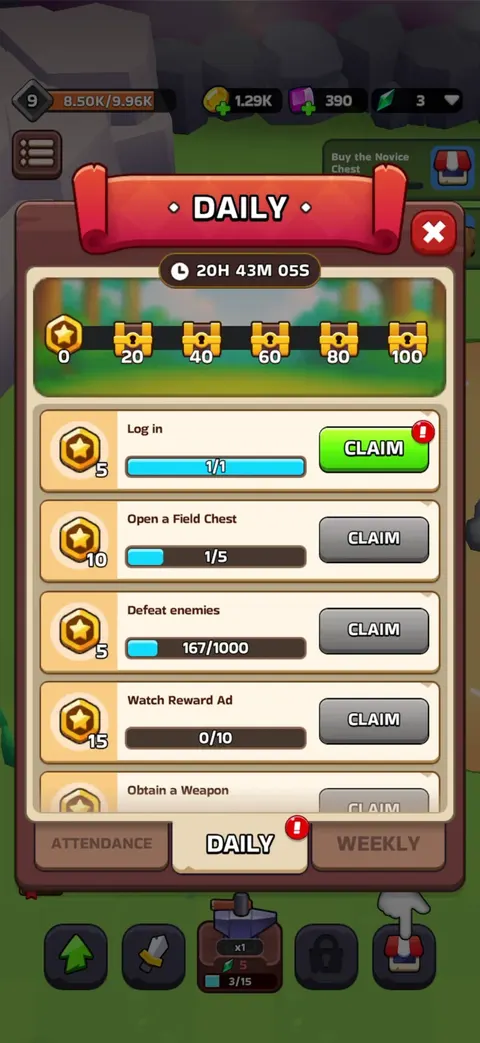
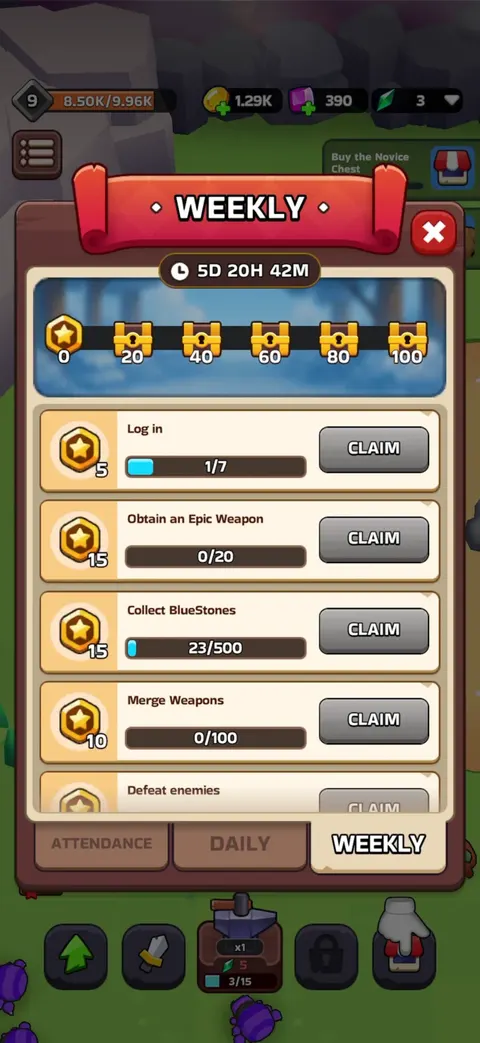
Mobile teams measure retention by install cohort in analytics tools and compare it by country, traffic source and genre. Many features in the game itself, such as daily rewards, streaks, events and push notifications, are designed to lift early retention. Gamedexy shows that design side, the screens and flows, and does not hold retention numbers for any game.
What to watch for
- Optimizing the number instead of the game. A forced daily login can lift D1 without making the game better.
- Comparing against someone else's benchmarks without matching the definition, genre and audience.