Core design · all games
Core loop
The short cycle of actions a player repeats most often, such as play a level, earn a reward, spend it, and play again.
Also called: gameplay loop, core gameplay loop, game loop
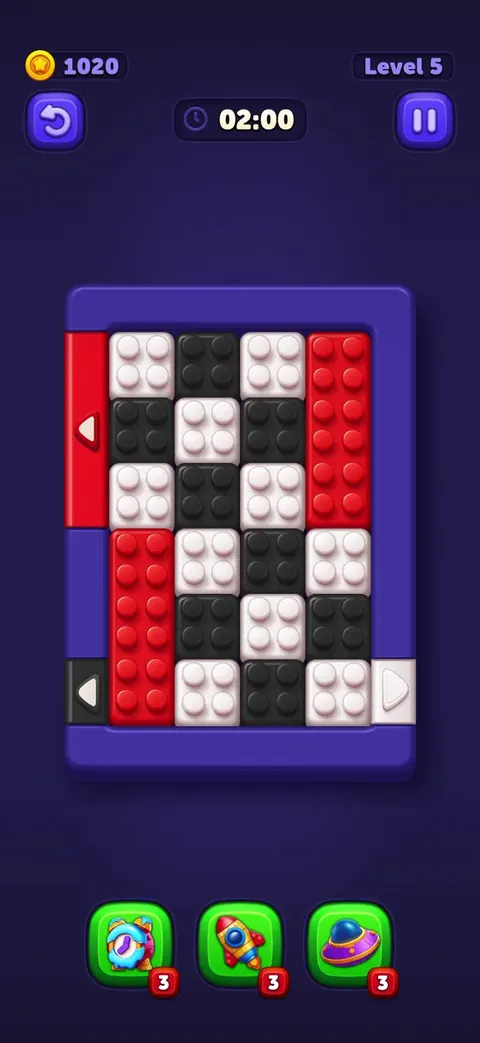
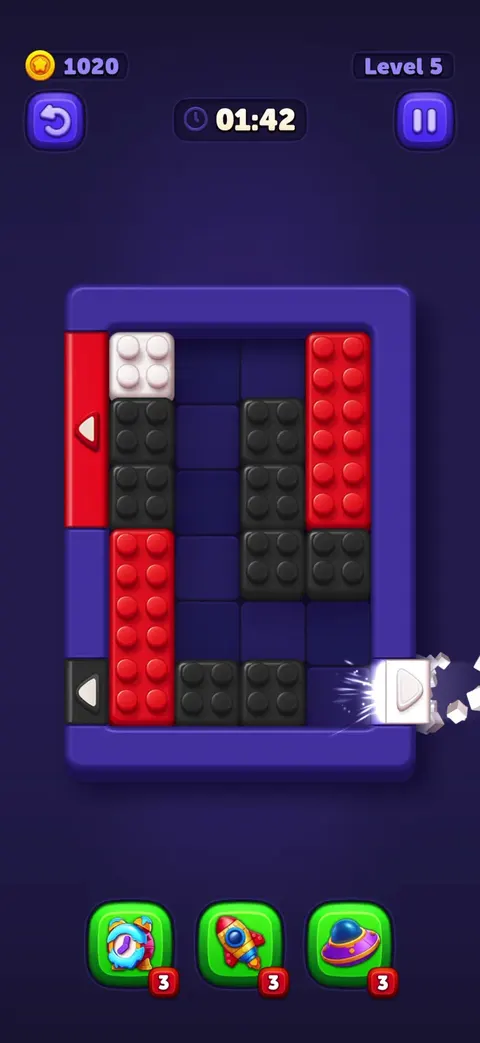
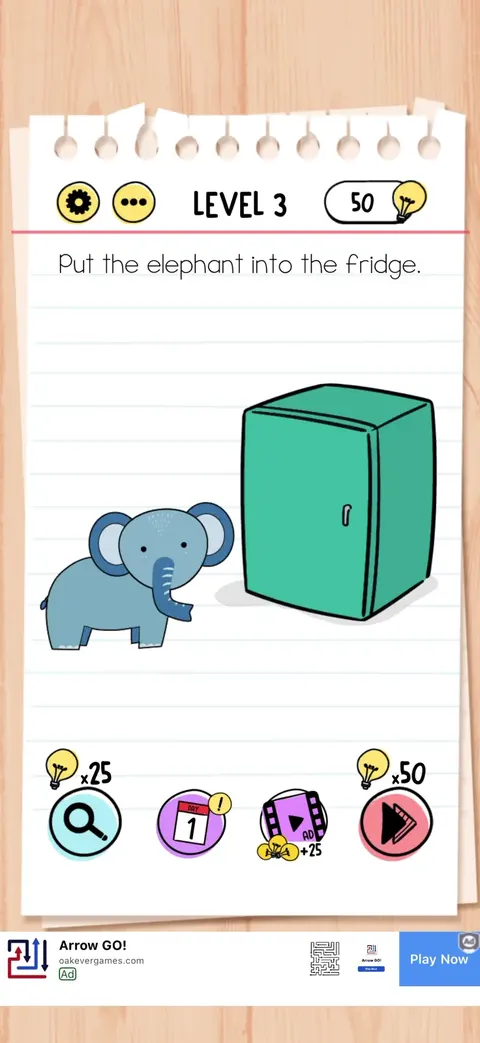
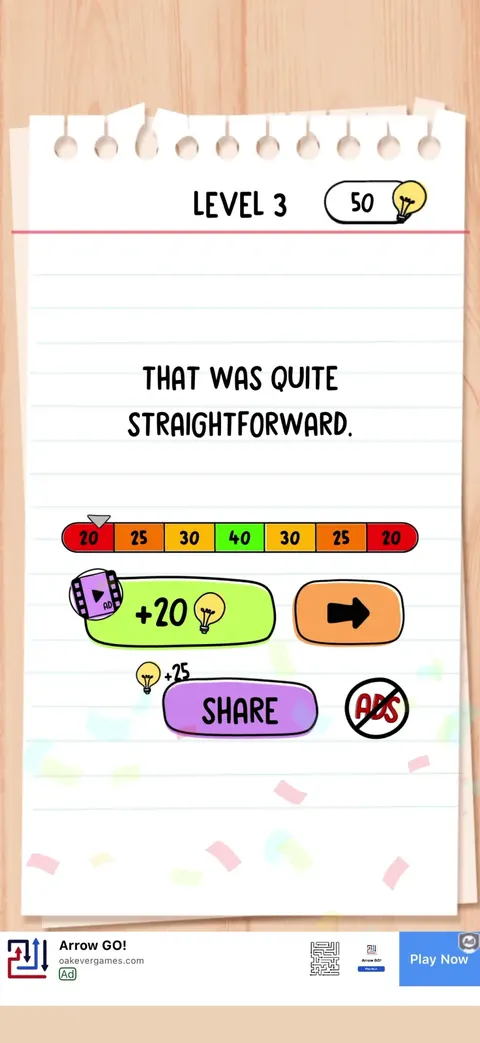
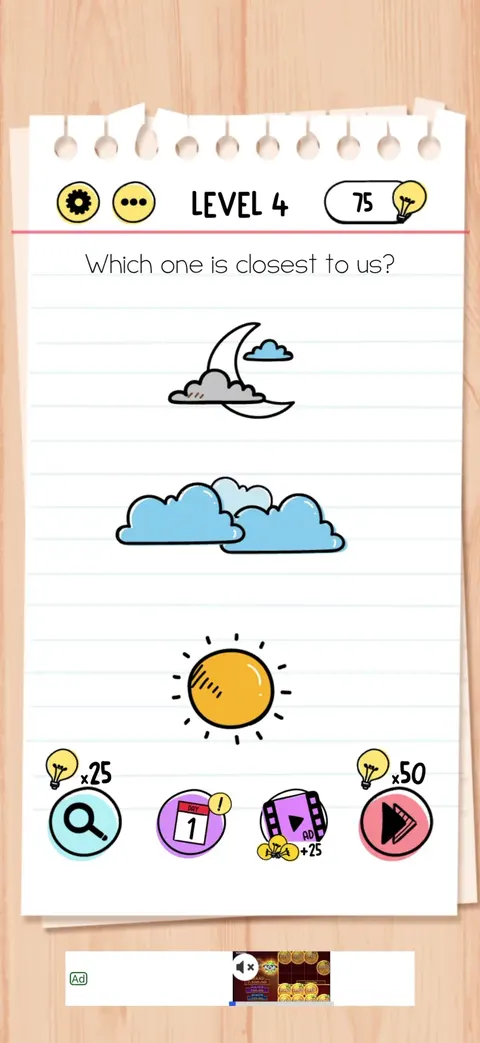
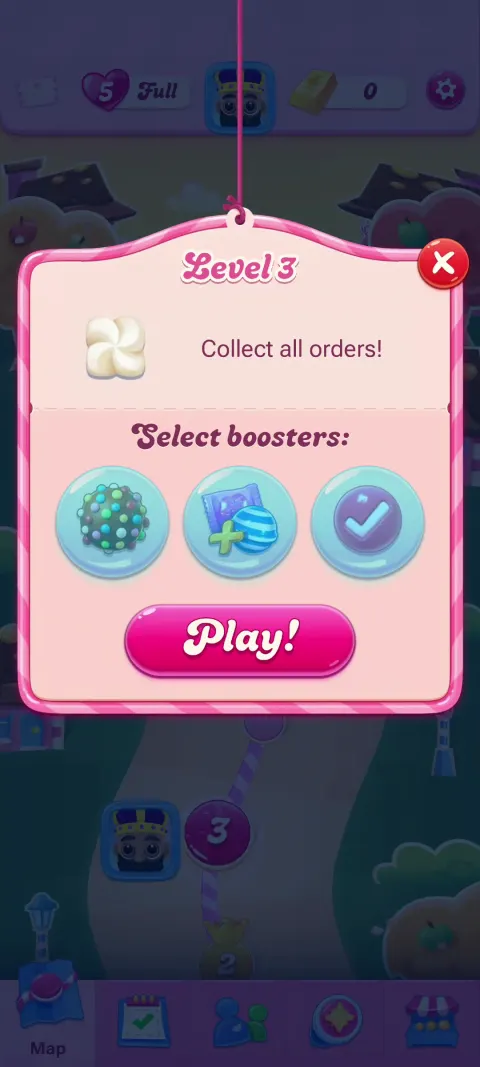
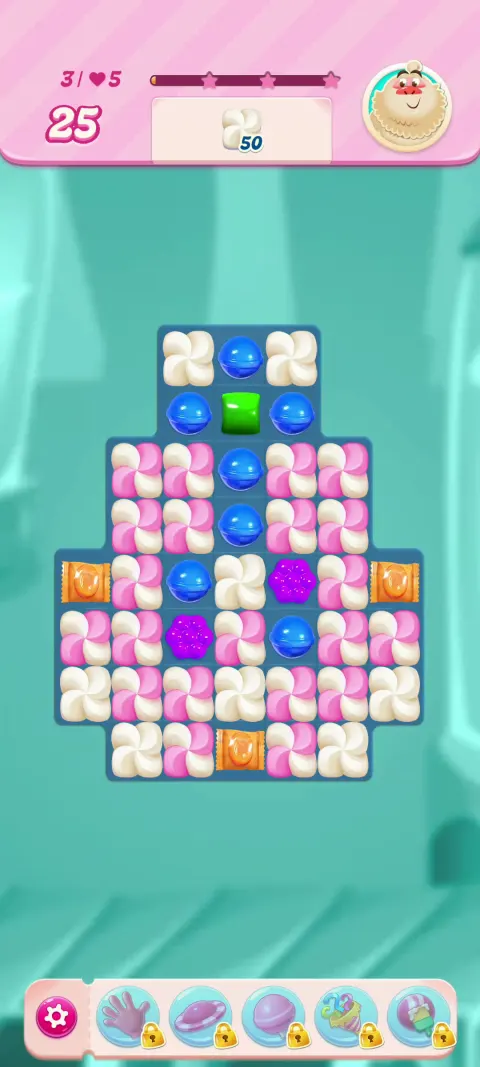
The core loop is the smallest repeatable unit of a game. A player does something, gets a result, and uses that result to do the next thing. In a puzzle game that might be: play a level, earn coins and stars, unlock the next level. In a builder it might be: collect resources, build, wait, collect more.
Designers usually describe a game as loops inside loops. The core loop lasts seconds or minutes. Around it sits a longer meta loop (upgrades, collections, a map to complete) that gives the core loop a reason to continue across days and weeks.
A useful test when planning a game: write the core loop as three or four verbs. If the verbs are not fun to repeat a hundred times, no amount of rewards on top will fix it.
In mobile games
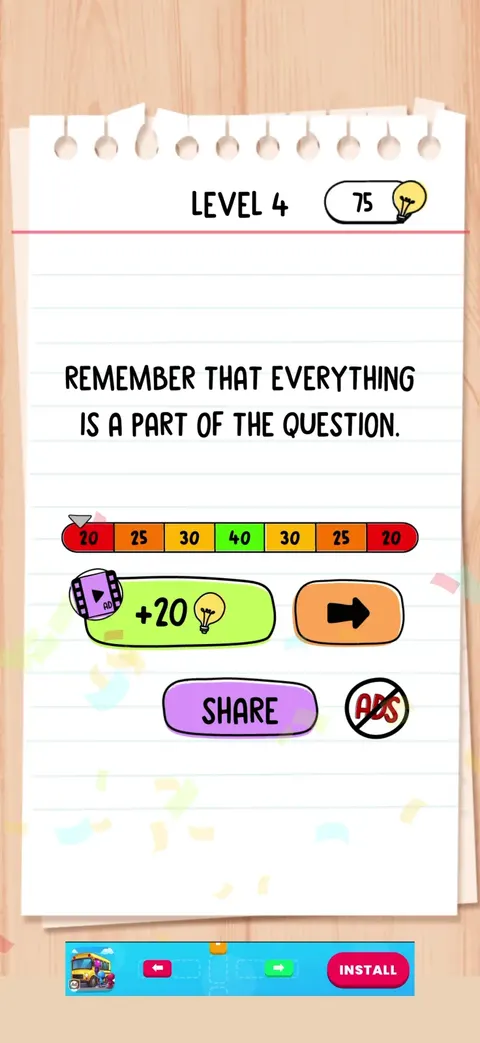
Mobile sessions are short and often interrupted, so mobile core loops tend to fit inside a minute or two and end on a reward screen. The reward then feeds a meta system, which is usually where the game's shop, offers and timers live.
What to watch for
- A loop that only works because of the rewards wrapped around it. Players notice when the activity itself is filler.
- Meta systems added before the core loop is proven. They make a weak loop look busier, not better.