Retention · mobile games
Energy system
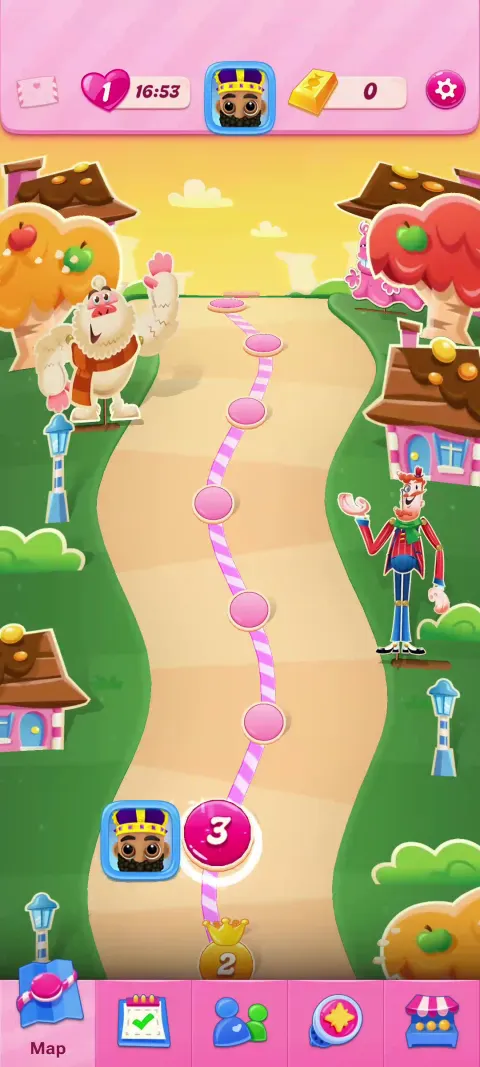
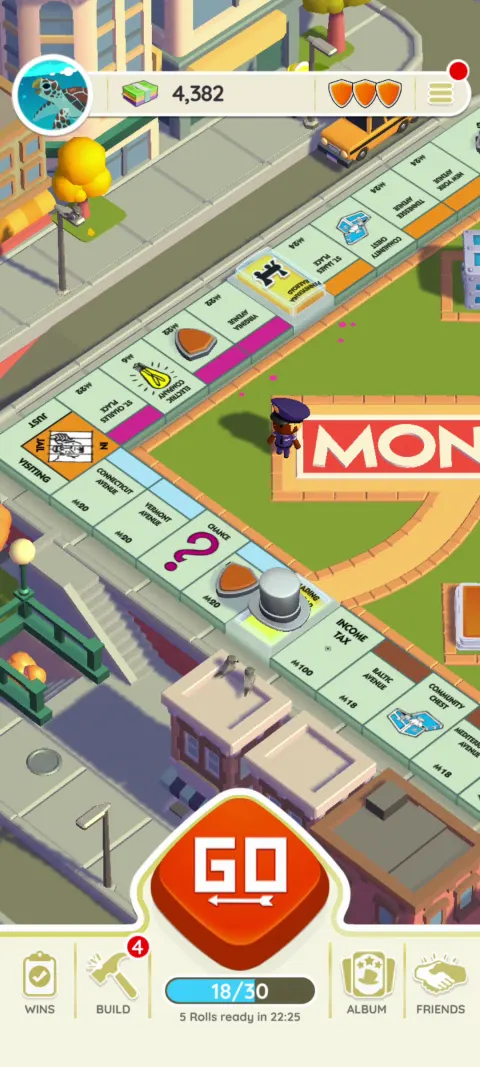
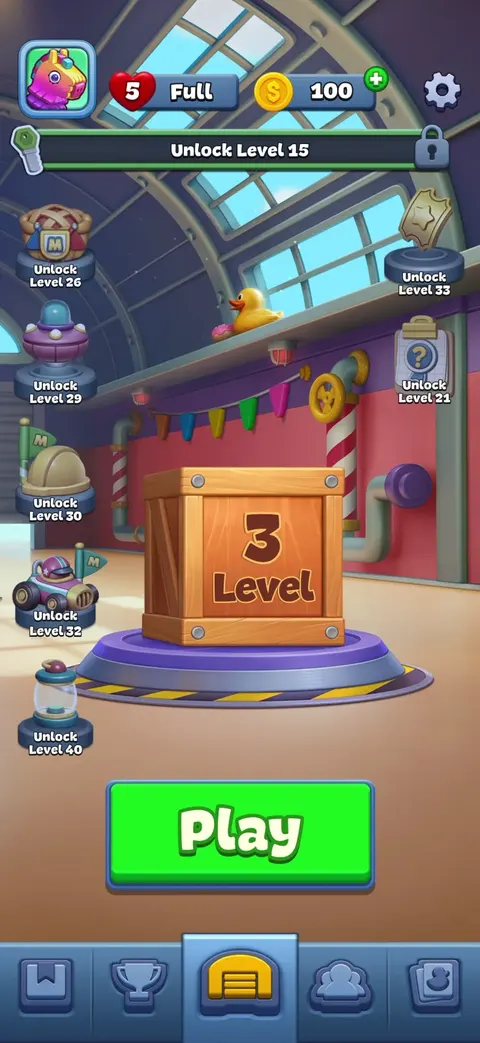
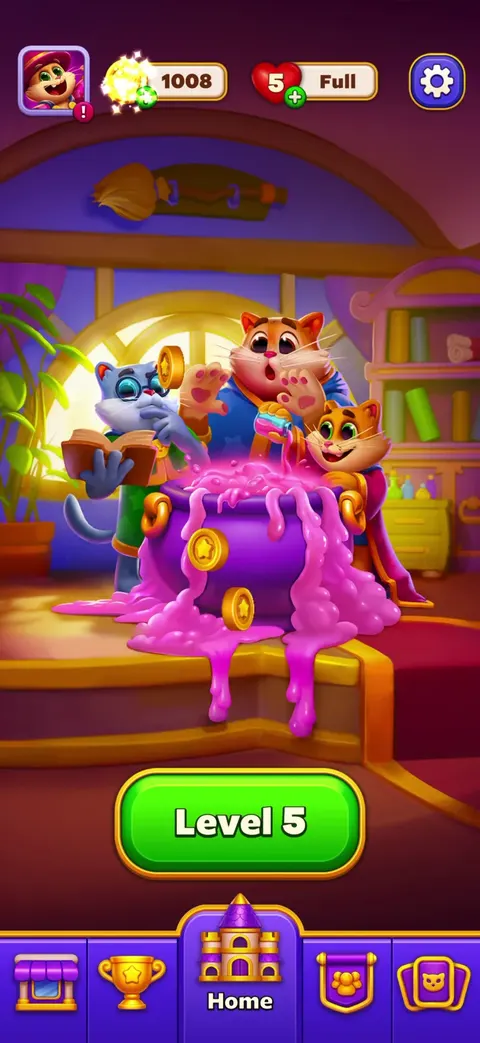
A limited resource spent to play, which refills over time, so play comes in sessions and players are invited back later.
Also called: lives, stamina, hearts, energy timer, lives system
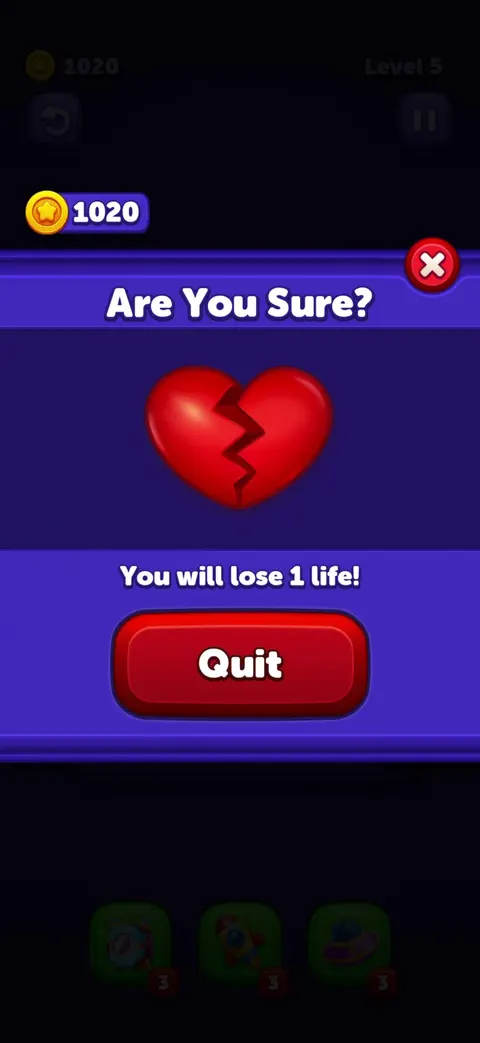
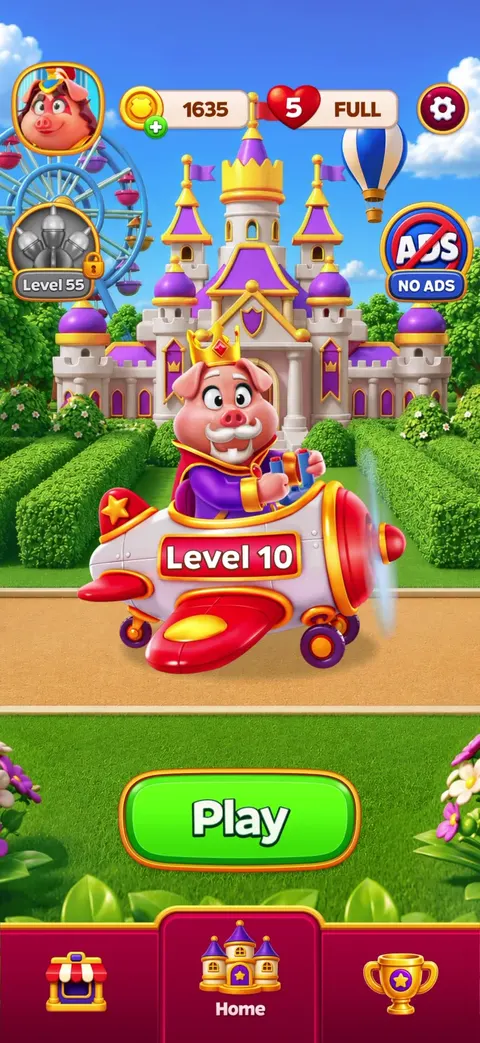
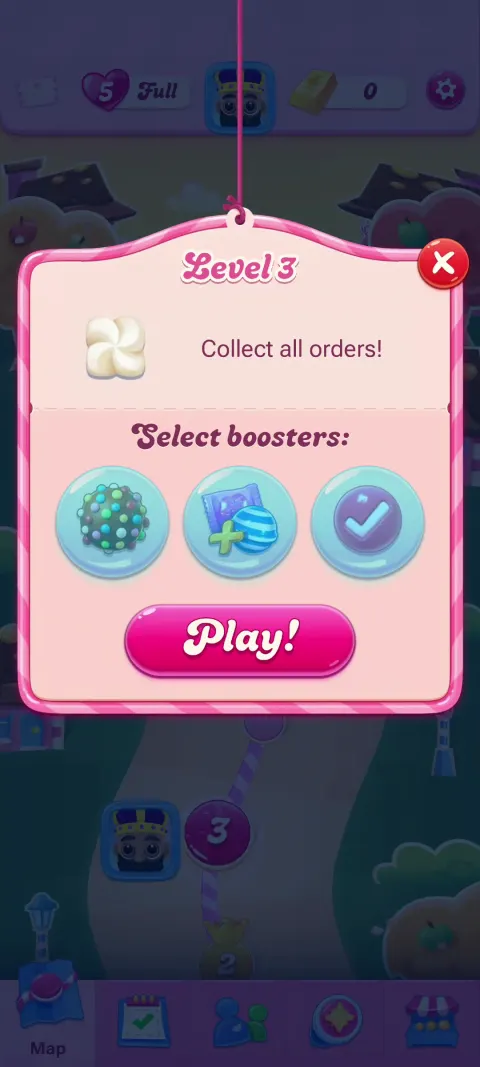
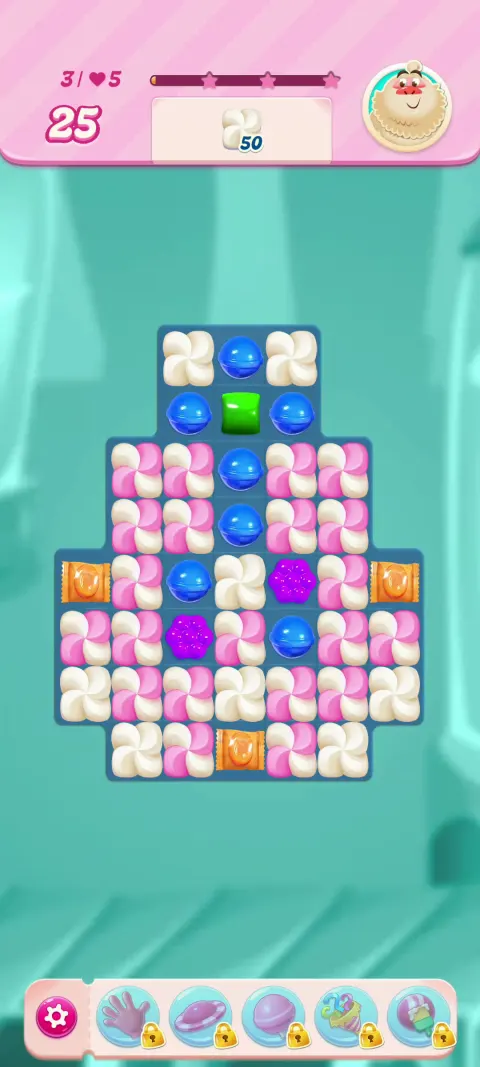
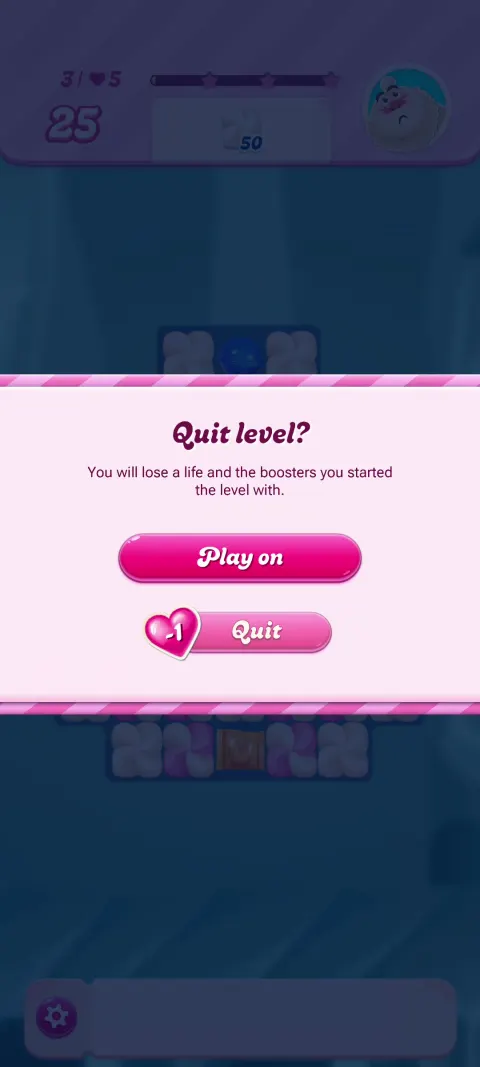
An energy system caps how much a player can play in one sitting. Starting a level, or losing one, costs energy or a life. When it runs out the player can wait for it to refill on a timer, watch an ad, ask friends, or pay.
It does two jobs at once. It paces content, so players do not burn through levels in a day, and it creates a reason to come back when the timer completes. It is also one of the clearest monetization points in a game, because the moment energy runs out is the moment a player most wants to keep going.
Some games charge energy only on failure, which feels fairer because winning is never punished. Others give unlimited play for a short time as a reward or purchase.
In mobile games
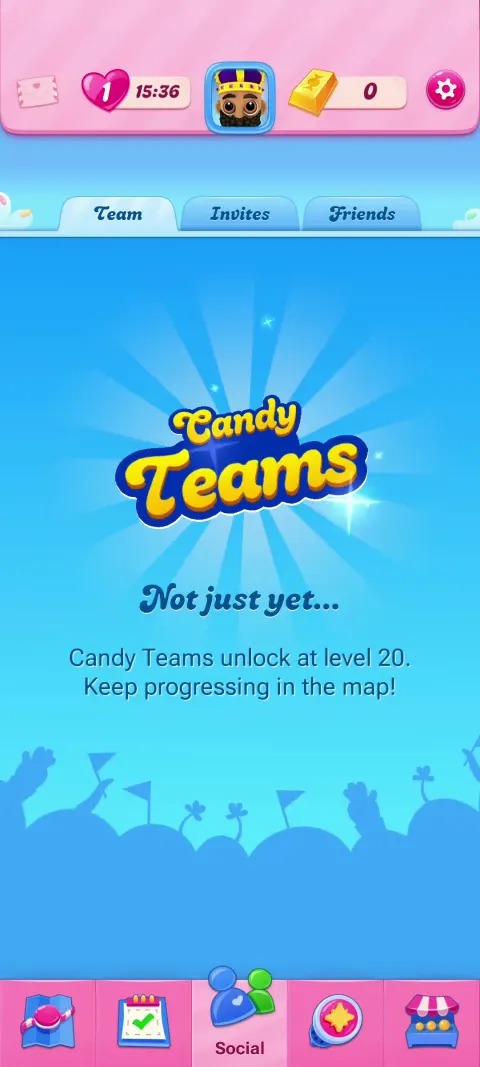
Energy and lives are a long-standing pattern in casual mobile games, especially puzzle games. The out-of-lives screen is usually a small offer: a refill price, a timer showing when the next life arrives, and sometimes a rewarded ad option.
What to watch for
- Running out mid-session in the first days, before the player is invested. It reads as a wall, not a pause.
- Timers so long that waiting is not a real choice, which makes the system feel like a paywall.