Monetization · all games
Price anchoring
Showing a high reference price or a large bundle first, so the other options look cheaper or better value by comparison.
Also called: anchor price
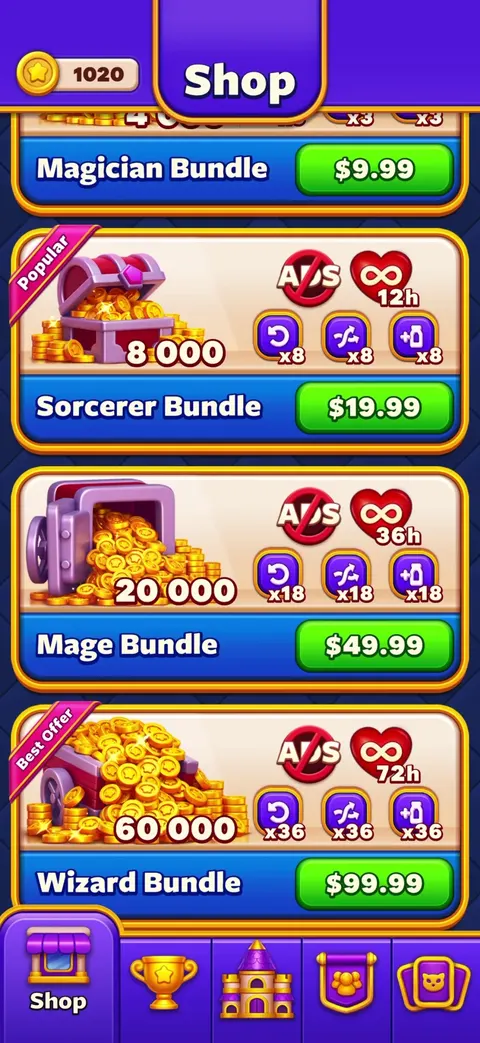
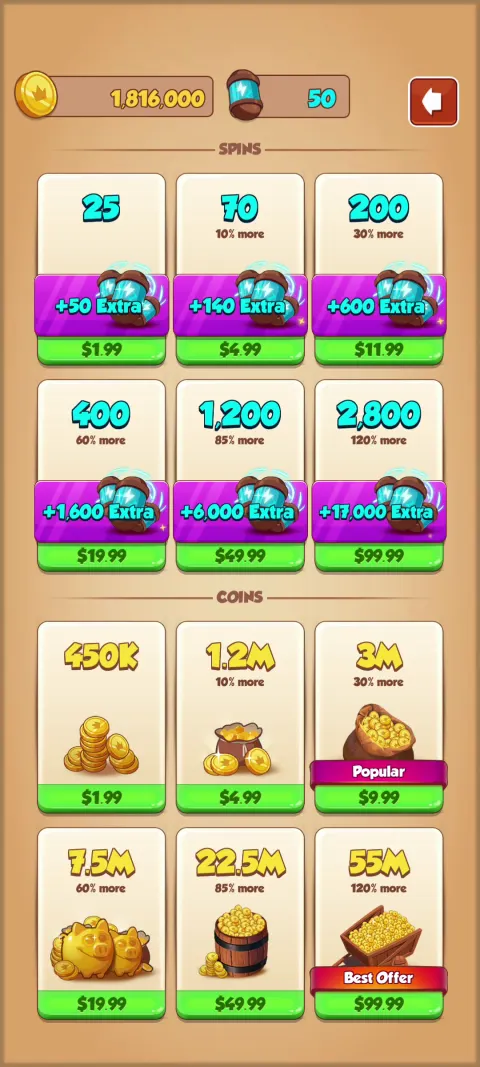
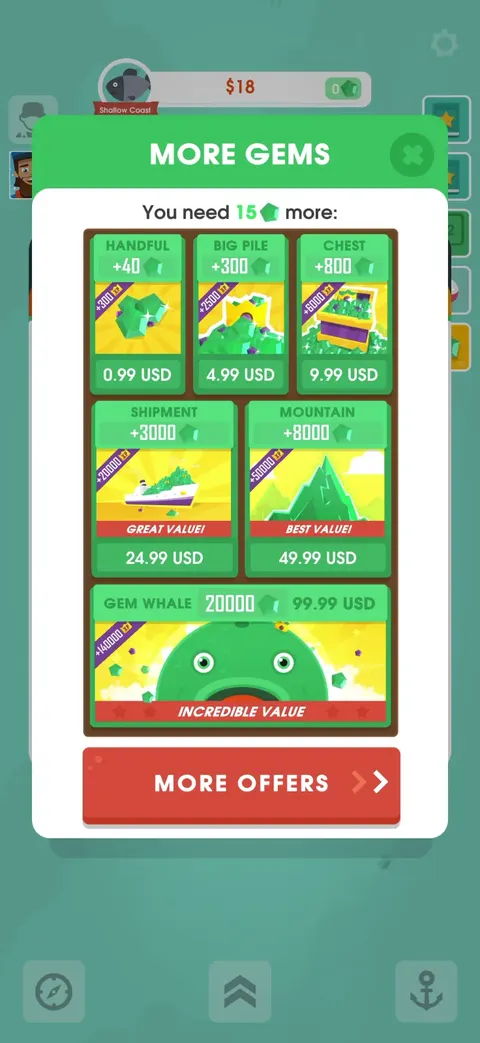
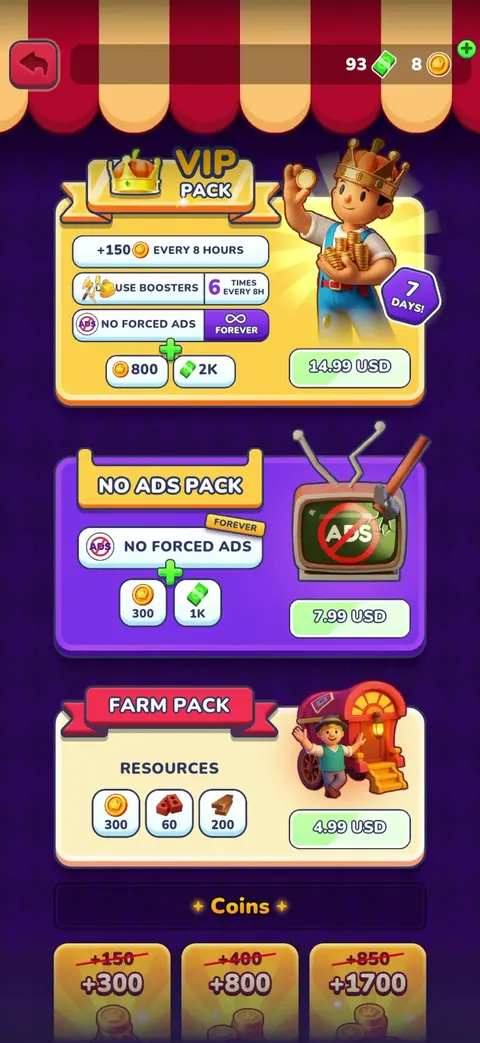
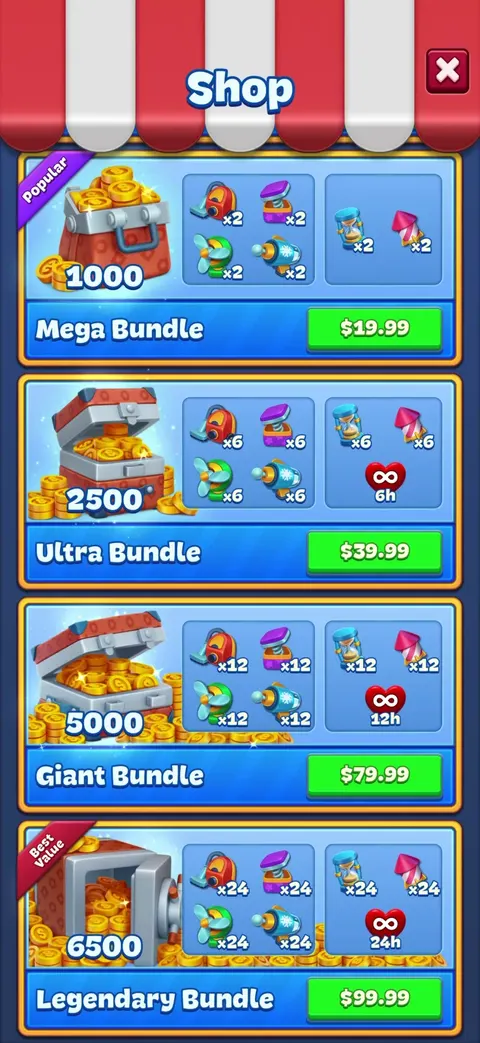
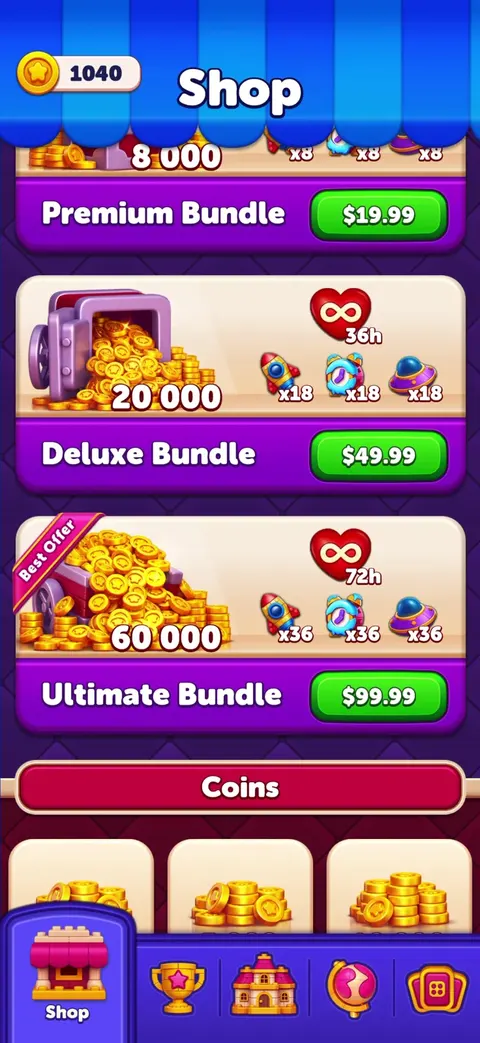
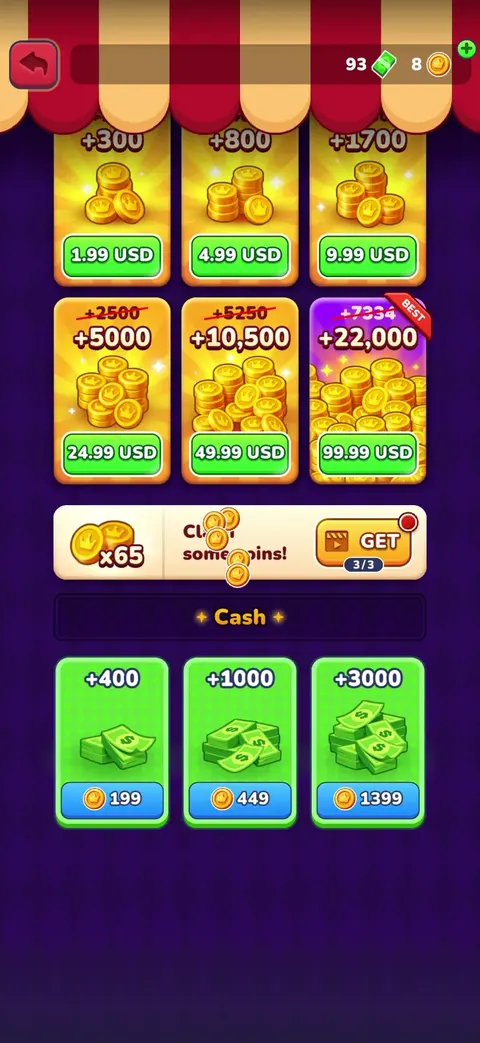
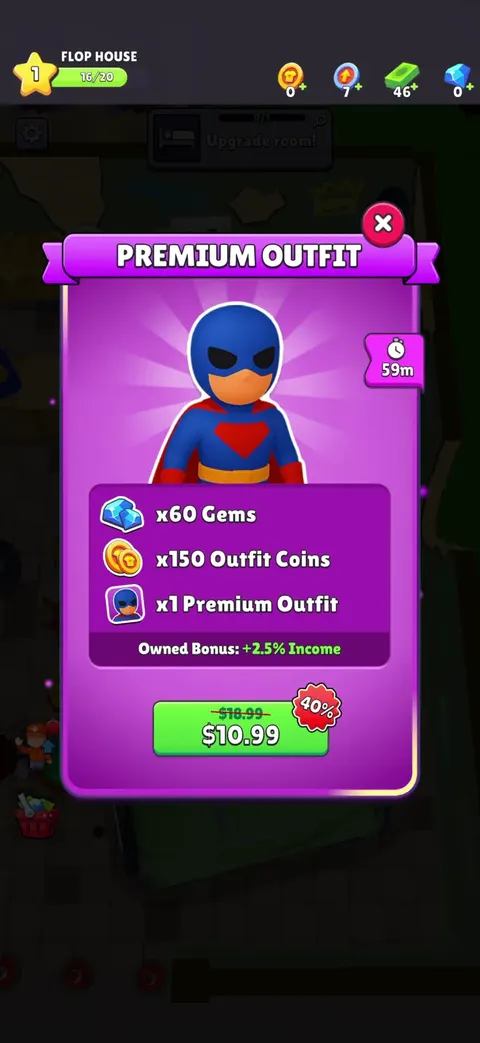
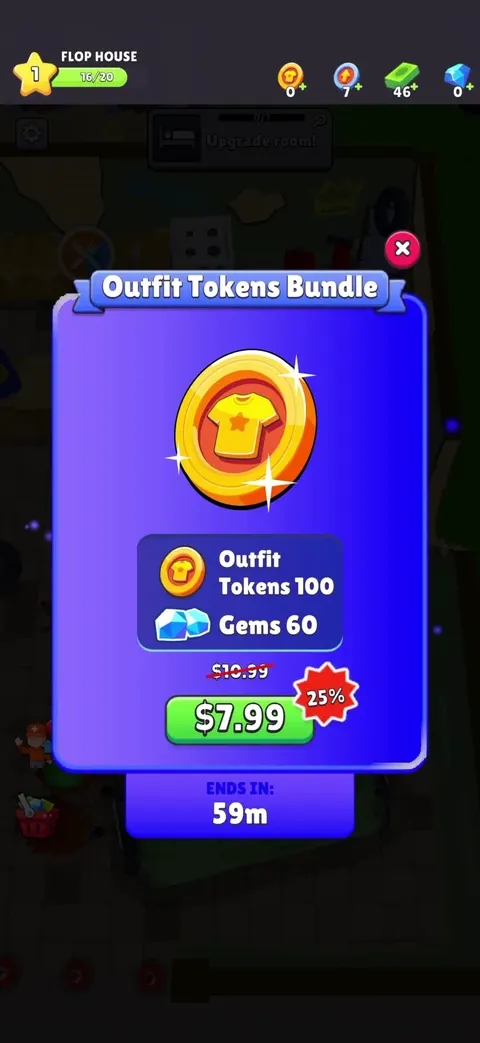
Price anchoring is a shop layout choice. The most expensive pack, or a crossed-out original price, is placed where the player sees it first, and every other option is judged against it.
The idea comes from research on anchoring, where estimates are pulled toward a number people were shown first. Amos Tversky and Daniel Kahneman described it in a 1974 paper. How strongly it works in a given shop is something studios test rather than assume.
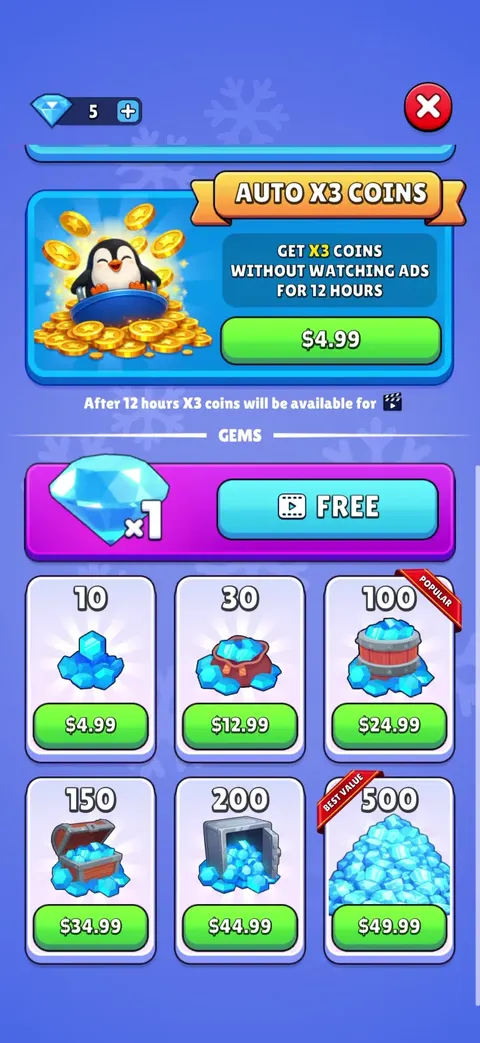
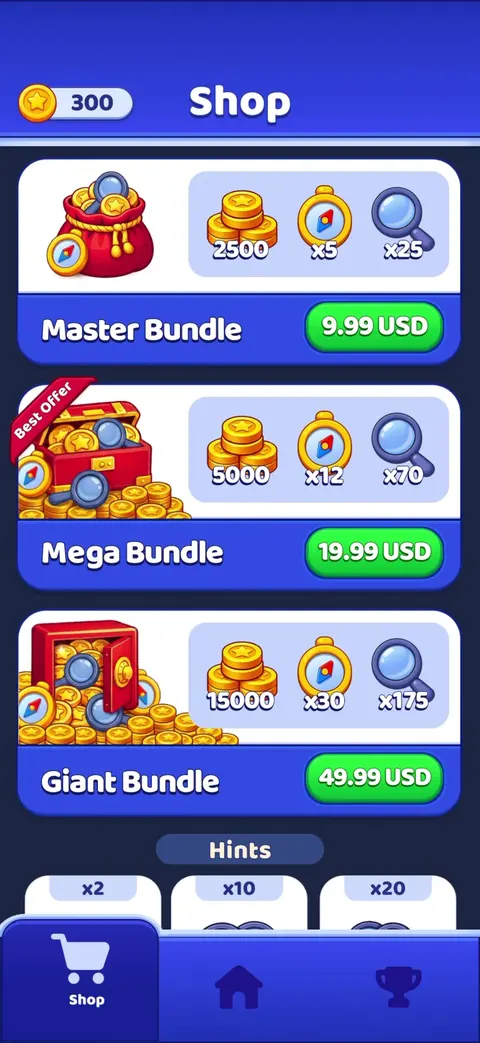
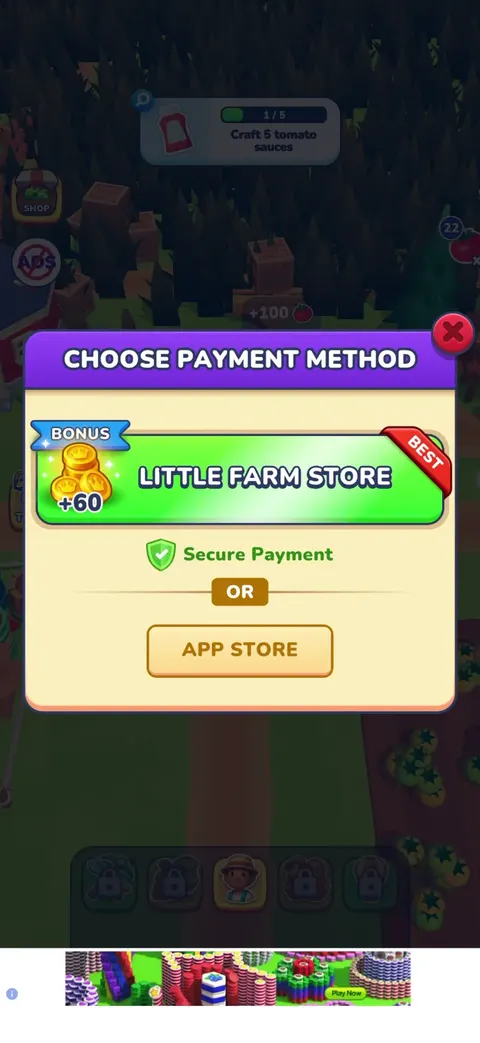
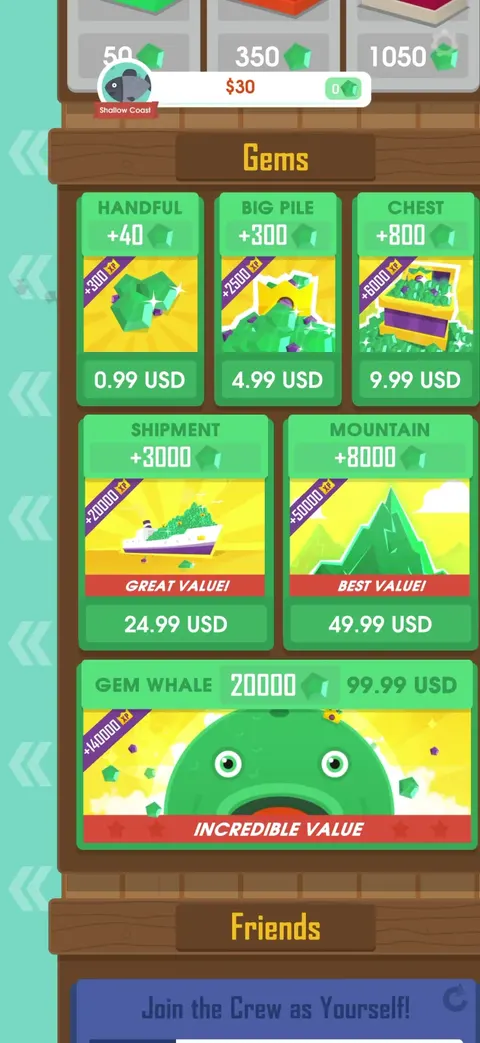
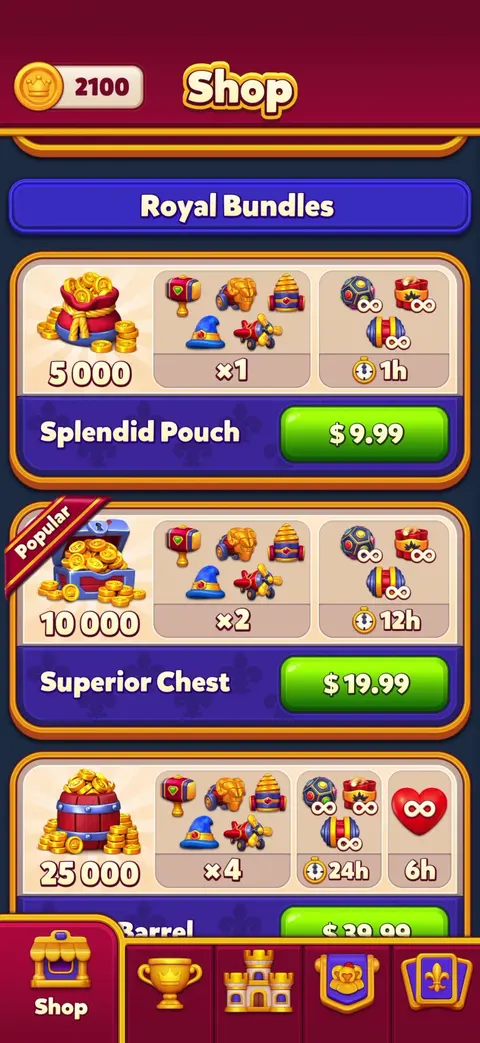
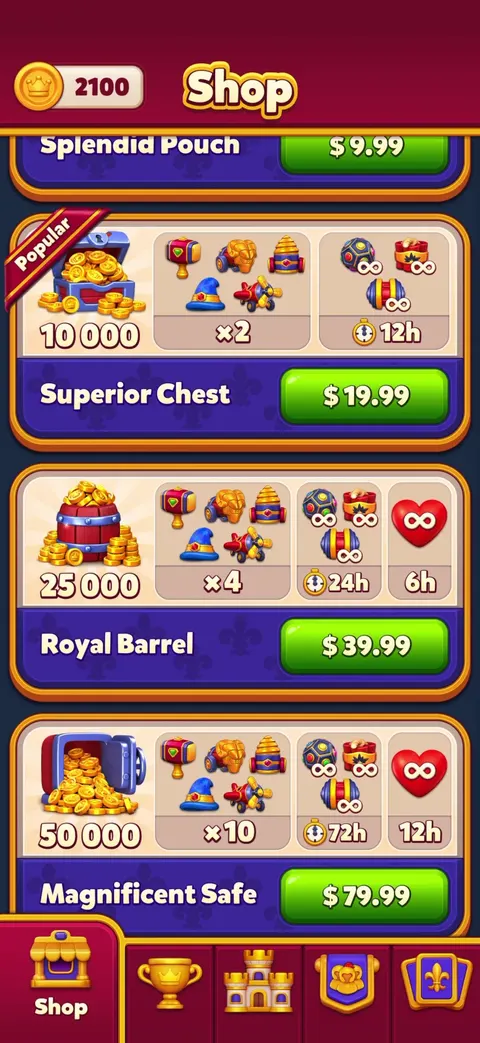
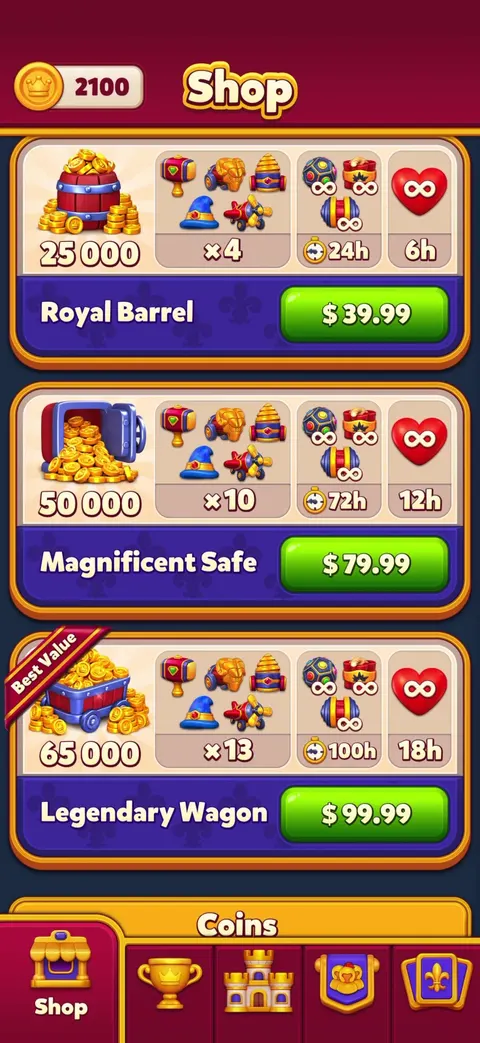
Shops often pair an anchor with a badge such as best value or most popular on the pack they want players to pick, so the comparison does most of the selling.
In mobile games
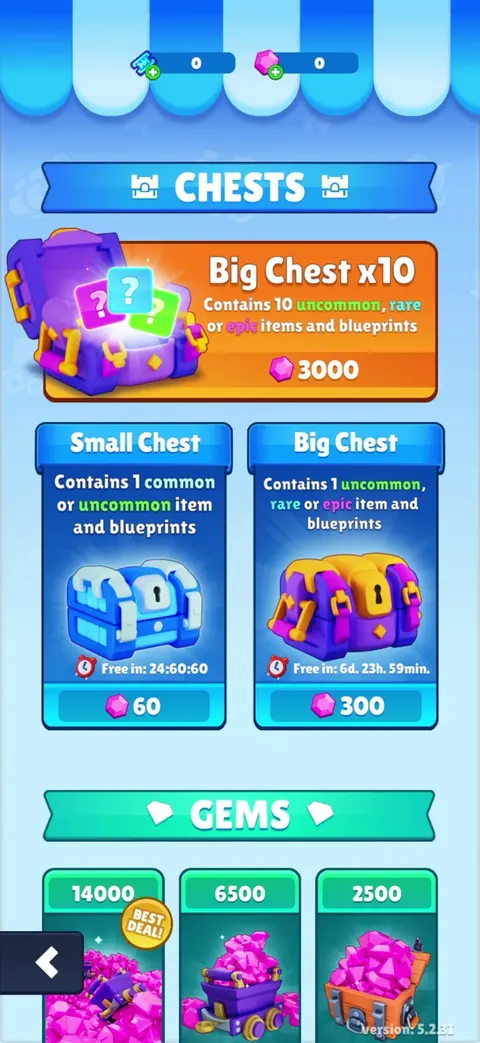
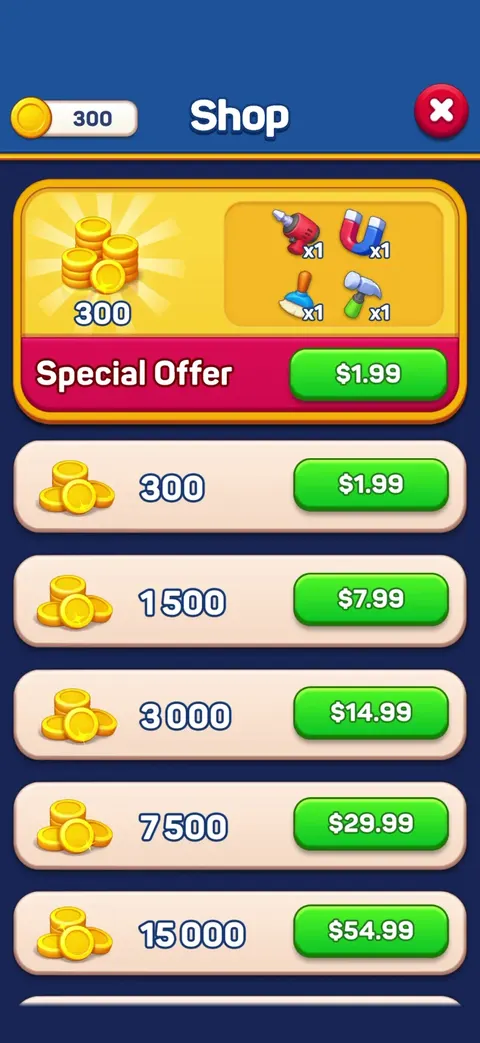
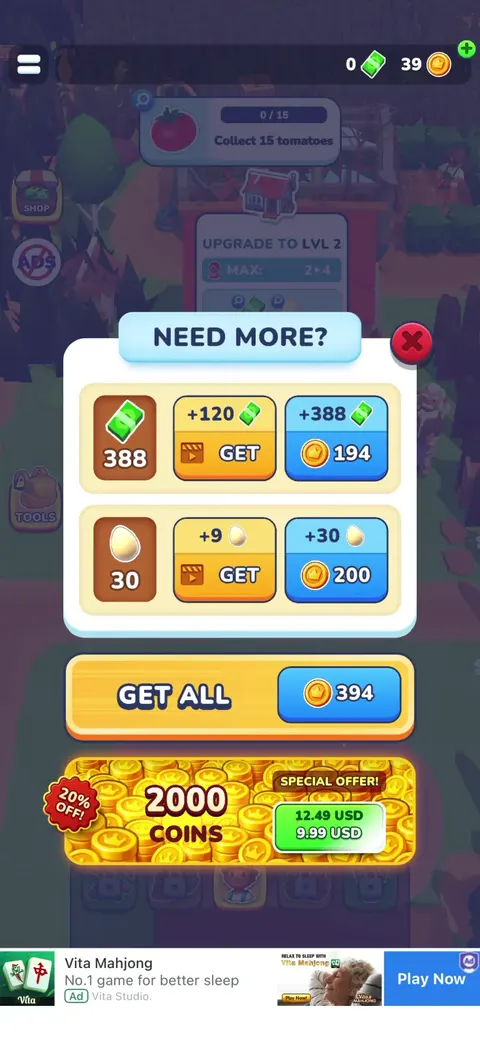
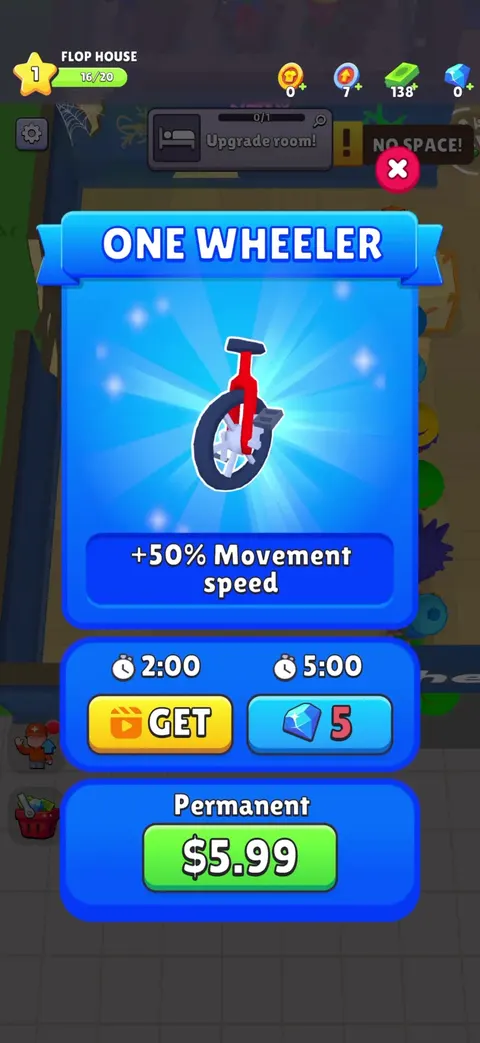
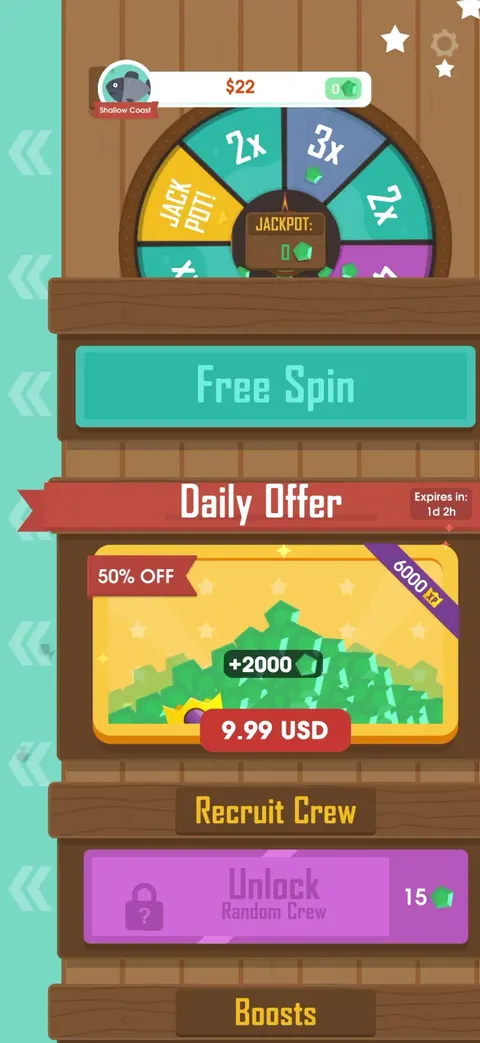
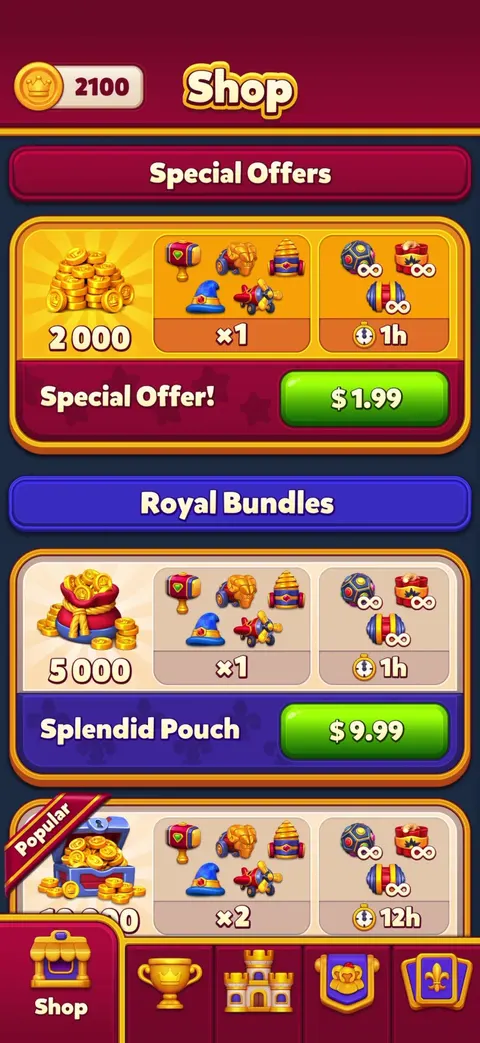
Mobile shops usually show packs as a ladder of rising prices with a bigger bonus on the higher packs, and mark one pack with a badge. Reference prices also appear as a crossed-out price on a discounted bundle.
What to watch for
- A fake reference price. In the United States, the FTC's guide on former price comparisons says the earlier price must be one actually offered to the public on a regular basis. Other countries have their own rules, so check the law where you sell.
- An anchor nobody would ever buy. If the top pack looks unreal, the comparison can stop working.