Monetization · all games
Gacha
A random reward mechanic where players spend currency on a pull, box or spin and receive an item chosen by chance, with published odds.
Also called: loot box, loot boxes, gacha box, pity system, pity, summon, banner, chest
Gacha is named after Japanese capsule-toy machines. The player spends currency, often hard currency, and gets a random item from a pool where rarer items have lower odds. Loot boxes, chests, eggs, card packs and summon banners are all forms of the same mechanic.
Many gacha systems include pity: a guarantee that a rare item drops within a set number of pulls, so bad luck has a limit. Others show progress toward a guaranteed reward, or let duplicates be converted into something useful.
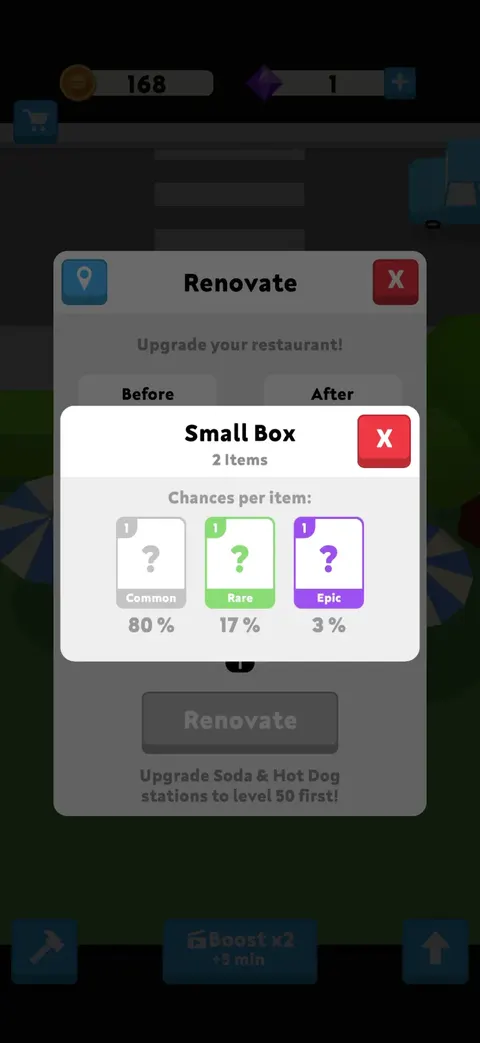
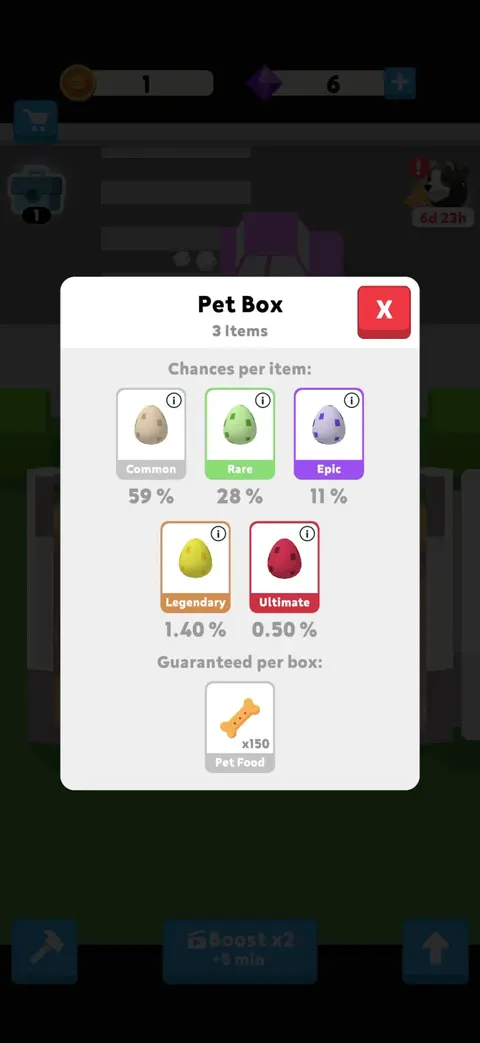
Both major app stores require games that sell randomized items to disclose the odds. Apple's guidelines say the odds of each type of item must be shown before purchase, and Google Play's payments policy has a similar rule. Some countries regulate paid random rewards further, and the rules change, so studios check current local law before launch.
In mobile games
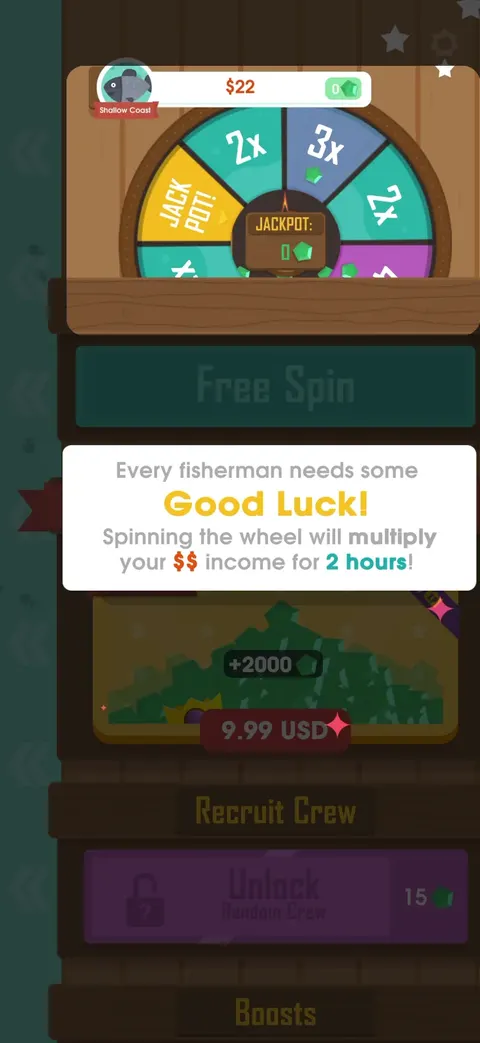
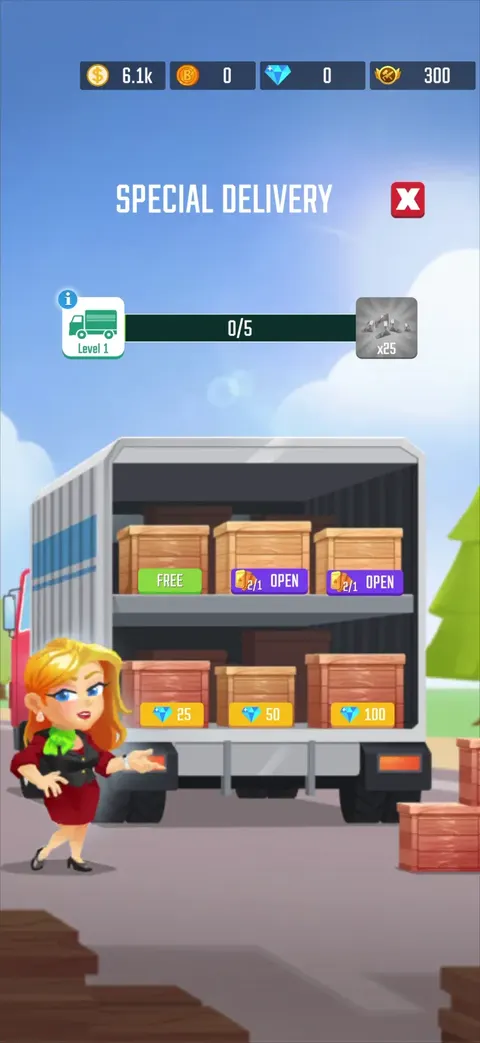
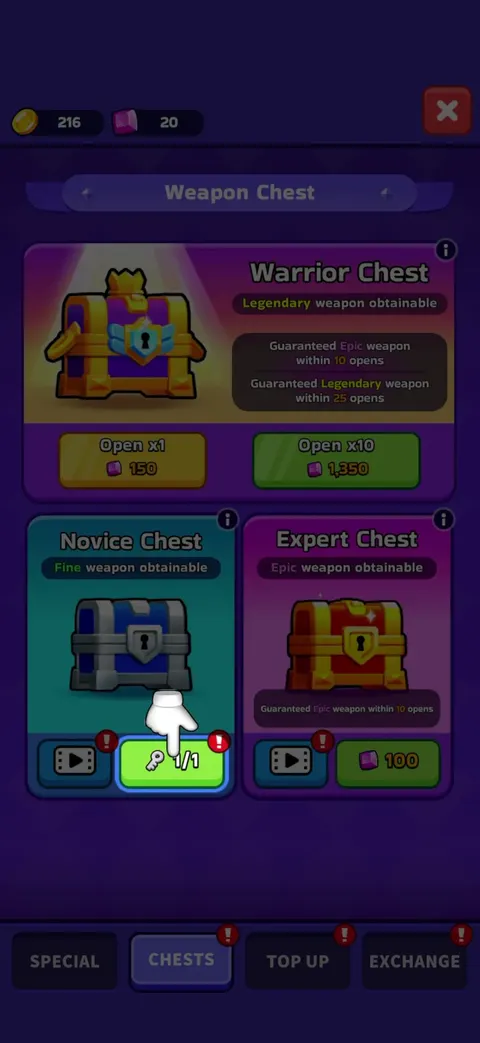
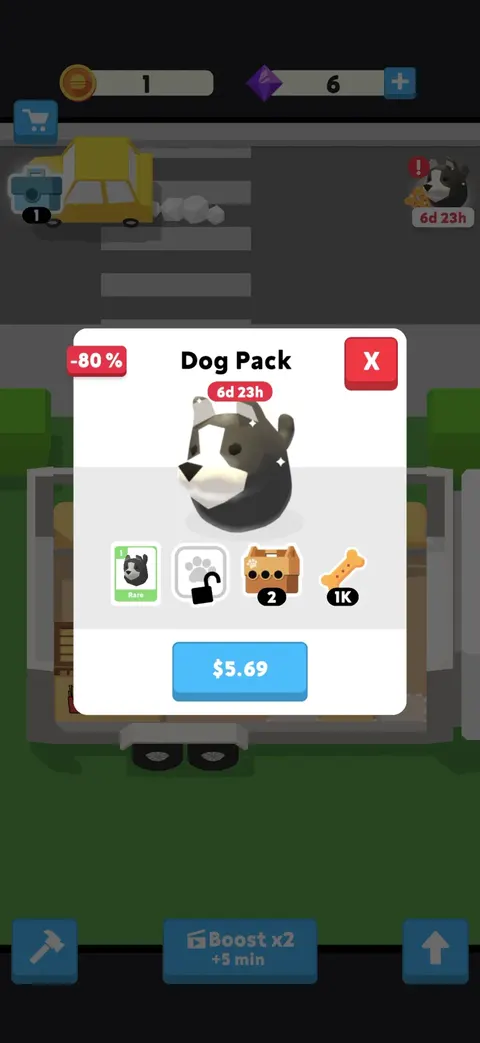
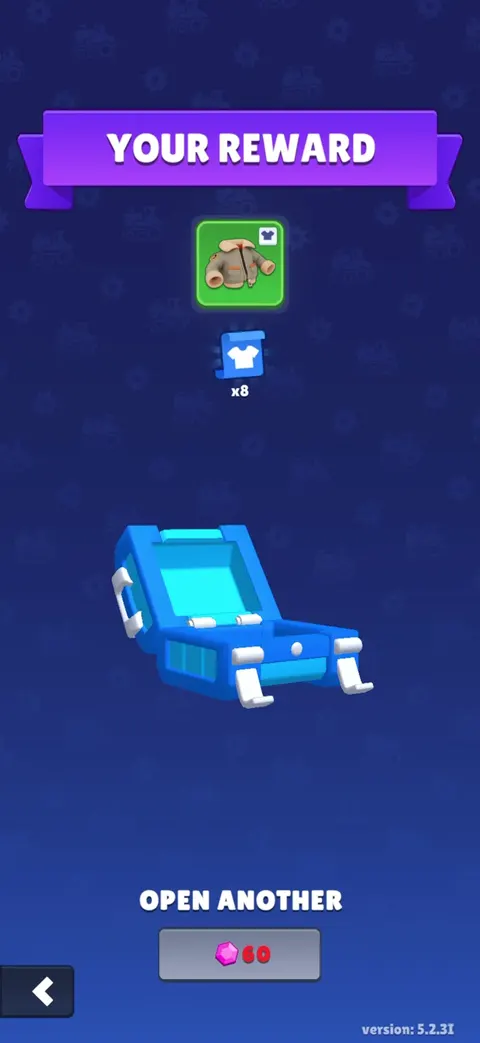
Mobile gacha screens usually show the featured rare items, single and multi-pull buttons with their prices, a timer for limited banners, and a link to the odds. The reveal animation is a large part of the design.
What to watch for
- Odds that are hard to find or written in a confusing way. Store rules require disclosure, and players trust games that make it easy.
- Selling random rewards to younger audiences. Regulators and parents watch this closely.